
Dental anxiety affects millions of people, leading many to avoid necessary dental care. If the thought of visiting the dentist makes you nervous, sleep dentistry (sedation dentistry) could be the solution. This approach uses safe, controlled sedation to help patients relax during dental procedures—whether it’s a routine cleaning or a complex surgery.
In this guide, we’ll explore:
✅ What sleep dentistry is and how it works
✅ Different types of sedation options
✅ Who can benefit from sedation dentistry
✅ What to expect before, during, and after sedation
✅ Safety and effectiveness of dental sedation
What Is Sleep Dentistry?
Sleep dentistry, also known as sedation dentistry, involves using medication to help patients relax or sleep during dental treatments. Unlike general anesthesia (which renders you completely unconscious), most sedation methods keep you awake but deeply relaxed, with little to no memory of the procedure afterward.
Who Needs Sedation Dentistry?
Sedation is ideal for patients who experience:
- Severe dental phobia or anxiety
- A strong gag reflex
- Sensitivity to pain
- Difficulty sitting still for long procedures
- Special needs or cognitive conditions
It’s also helpful for complex treatments like wisdom teeth removal, root canals, or full-mouth restorations.
Types of Dental Sedation
1. Nitrous Oxide (Laughing Gas)
- Mild sedation that helps you relax while remaining fully conscious.
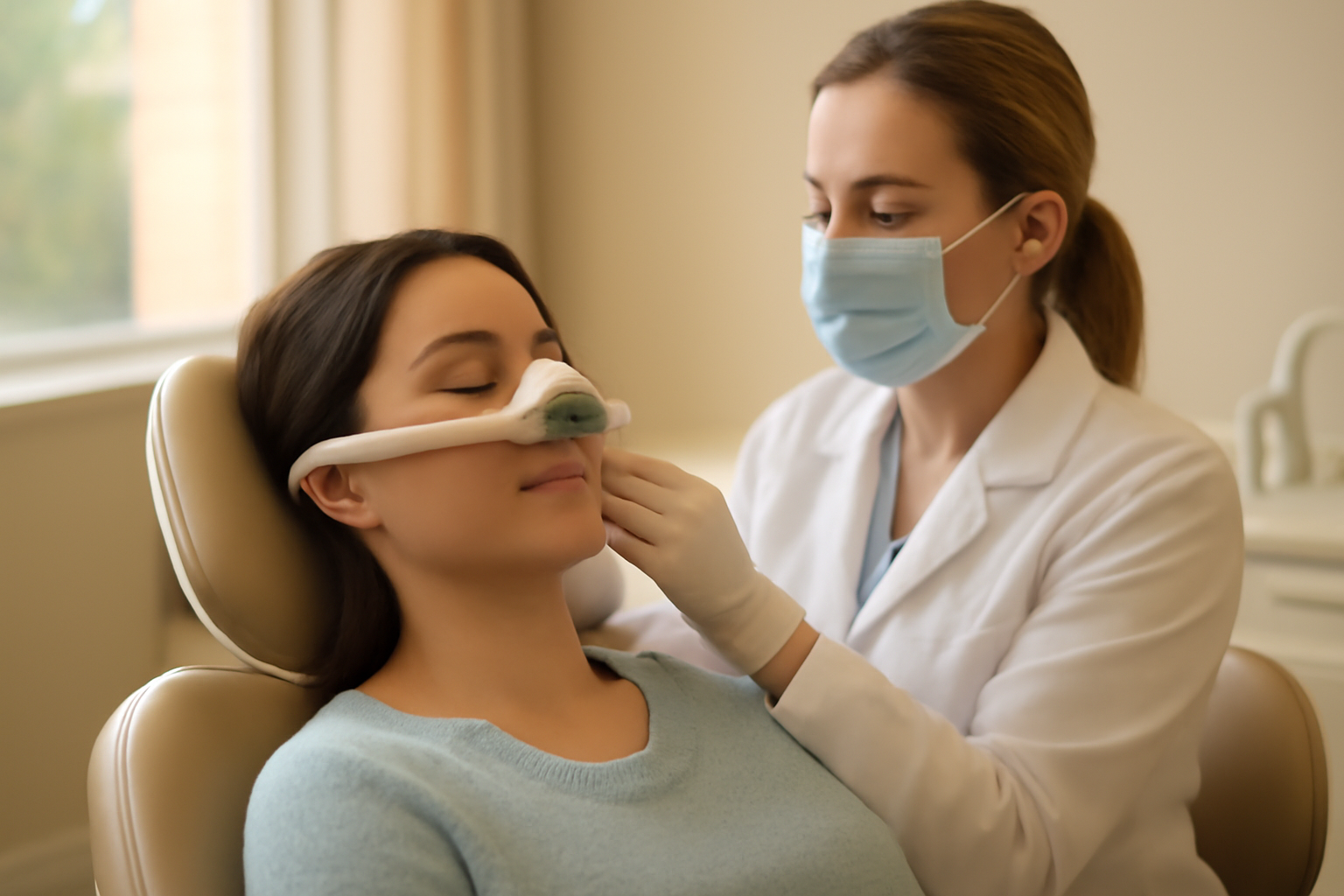
- Administered through a nasal mask.
- Effects wear off quickly, allowing you to drive home after the procedure.
Best for: Patients with mild anxiety or short treatments like fillings.
2. Oral Sedation (Pill-Based Sedation)
- Involves taking a prescribed sedative pill (like Valium or Halcion) before the procedure.
- Induces moderate relaxation, often making patients drowsy.
- Requires a companion to drive you home.
Best for: Moderate anxiety or longer procedures.
3. IV Sedation (Intravenous Sedation)
- Delivers sedatives directly into the bloodstream for deeper relaxation.
- Adjustable levels of sedation (from conscious sedation to twilight sleep).
- Patients may not remember the procedure afterward.
Best for: Severe dental anxiety or complex surgeries.
4. General Anesthesia (Full Sleep Dentistry)
- Used for major oral surgeries (e.g., impacted wisdom teeth removal).
- Patient is completely unconscious during the procedure.
- Requires an anesthesiologist and careful monitoring.
Best for: Extensive dental work or patients with extreme phobias.
What to Expect During Sedation Dentistry
Before the Procedure
- Consultation: Your dentist reviews medical history and determines the best sedation method.
- Pre-sedation instructions: You may need to fast (for IV sedation) or arrange a ride home.
During the Procedure
- The sedation is administered, and you’ll feel calm and relaxed.
- Your dentist monitors vital signs (heart rate, oxygen levels) throughout.
- You may fall asleep or remain awake but unaware of the procedure.
After the Procedure
- Recovery time varies:
- Nitrous oxide wears off in minutes.
- Oral/IV sedation may leave you groggy for a few hours.
- Avoid driving, alcohol, or heavy machinery for 24 hours.
Is Sedation Dentistry Safe?
Yes! When administered by a trained dental professional, sedation dentistry is extremely safe. Risks are minimal but may include:
- Nausea or dizziness (especially with IV sedation).
- Allergic reactions (rare).
- Temporary memory loss (with deeper sedation).
Your dentist will evaluate your health history to ensure the safest option.
Benefits of Sleep Dentistry
✔ Eliminates fear and anxiety
✔ Allows multiple procedures in one visit
✔ Reduces pain perception
✔ Helps patients with sensitive gag reflexes
✔ Improves overall dental health by making visits manageable
Final Thoughts
If dental fear has kept you from getting the care you need, sleep dentistry can be a game-changer. At Red Rose Dentistry, we offer safe, customized sedation options to ensure a comfortable, stress-free experience.
📞 Book a consultation today to discuss the best sedation option for your next dental visit!