

Dental Bone Graft in Hamilton Ontario 2026 — Cost, Types & Recovery
If your dentist or oral surgeon has told you that you need a bone graft before dental implants, you are not alone. Up to 40% of dental implant candidates in Hamilton require some form of bone augmentation before the implant can be placed. At Red Rose Dentistry, Dr. Khakani performs in-house bone grafting procedures as part of a complete implant pathway — no separate referral to an oral surgeon required for the majority of cases. This saves Hamilton patients time, money, and the confusion of coordinating between multiple providers.
✔ Book your free bone graft and implant assessment: (905) 521-2221) — Red Rose Dentistry, 135 James Street South, Downtown Hamilton, ON.
What Is a Dental Bone Graft and Why Do You Need One in Hamilton?
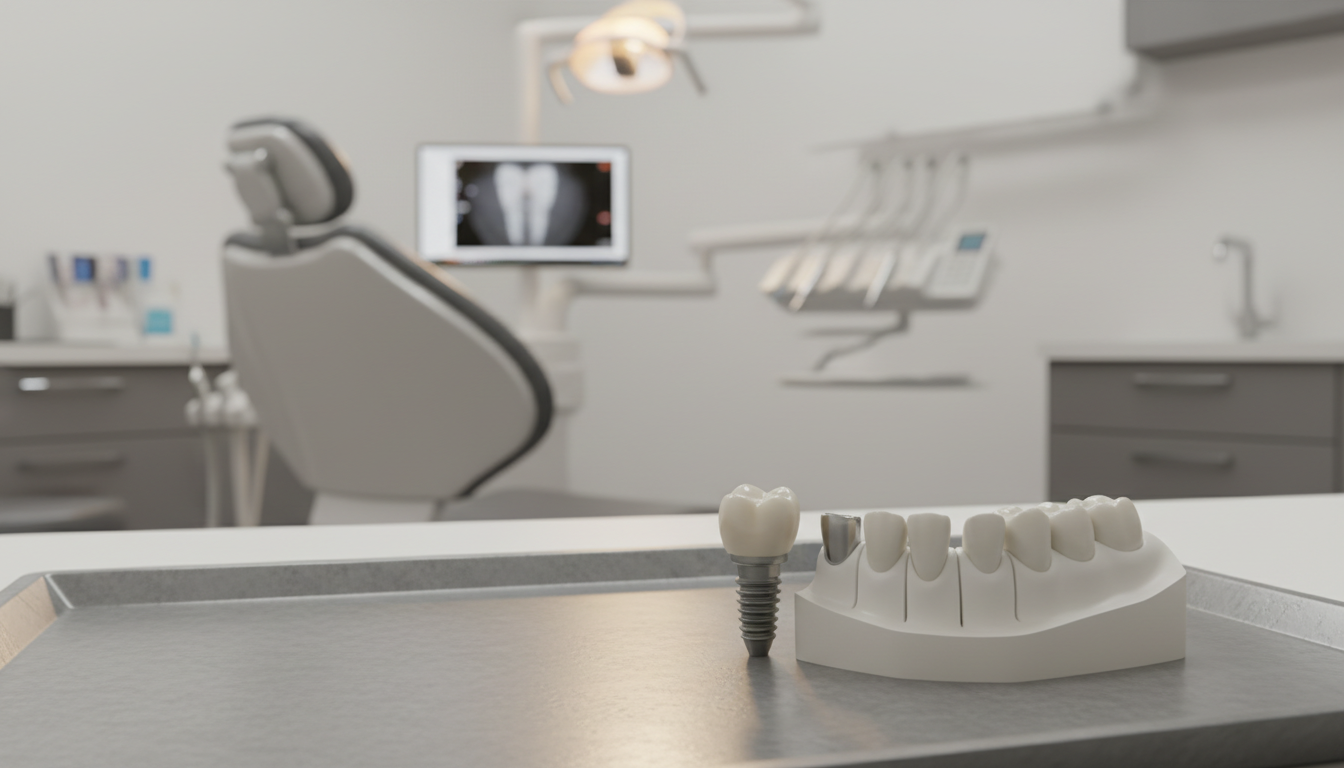
A dental bone graft is a surgical procedure that adds bone volume or density to a section of your jaw where bone has been lost or is insufficient to support a dental implant. Bone loss in the jaw occurs naturally after a tooth is extracted — within the first six months of tooth loss, the jaw bone at that site begins to shrink. Over one to three years, significant volume loss occurs that may prevent implant placement entirely without a preliminary graft.
Bone grafting is also required in patients who have had:
- Gum disease (periodontal disease) causing bone destruction around existing teeth
- Dental infections or abscesses that eroded surrounding bone
- Trauma or facial injuries involving jaw bone loss
- Long-term denture wear that caused progressive bone resorption
- Congenitally missing teeth with underdeveloped bone at the site
The graft procedure stimulates your body’s natural bone regeneration. New bone cells grow around and through the graft material over three to six months, ultimately creating a solid foundation capable of supporting a titanium implant post.
At Red Rose, Dr. Khakani uses 3D CBCT imaging (free with your implant consultation) to measure exact bone volume before any graft is planned. This eliminates guesswork and allows precise pre-surgical planning.
Types of Dental Bone Grafts — Hamilton 2026 Cost Breakdown
| Graft Type | When It’s Used | Procedure | Red Rose Cost 2026 | Healing Time Before Implant |
|---|---|---|---|---|
| Socket Preservation (Extraction Graft) | Done at the time of tooth extraction to prevent bone loss; preserves the socket for future implant placement | Graft material packed into extraction socket; collagen membrane placed; sutures close site | $400–$900 | 3–4 months |
| Alveolar Ridge Augmentation | Bone has already shrunk after extraction; ridge too narrow or short for implant | Incision, graft material packed onto ridge exterior; membrane secured; site closed | $800–$1,800 | 4–6 months |
| Block Graft (Autograft) | Significant bone volume loss; requires bone taken from patient’s own body (chin, ramus, hip) | Donor site surgery + recipient site surgery; most complex graft type; requires specialist for large grafts | $1,500–$3,000+ | 4–6 months |
| Sinus Lift (Maxillary Sinus Augmentation) | Upper back teeth missing; insufficient bone between jaw and sinus cavity for implant height | Sinus membrane elevated; graft material inserted below membrane; implant placed 4–9 months later | $1,500–$3,500 | 4–9 months |
| Guided Bone Regeneration (GBR) | Localized bone defect around existing implant or tooth; membrane guides new bone growth | Membrane placed over defect; graft material under membrane; allows selective bone regeneration | $600–$1,500 | 3–6 months |
📞 Ready to find out which graft you need? Get your free 3D scan at Red Rose: (905) 521-2221)
Bone Graft Materials — What Goes Into Your Jaw
| Material Source | Name | Pros | Cons | Most Common Use |
|---|---|---|---|---|
| Your own bone (autograft) | Autologous bone | Highest integration rate; no rejection risk; contains live bone cells | Requires second surgical site (chin, ramus, or hip); higher cost; more recovery | Block grafts; large defects |
| Donor human bone (allograft) | Freeze-dried cadaveric bone | No second surgery needed; widely available; good integration | No live cells; requires body to remodel it; very rare infection risk (sterilized) | Socket preservation; ridge augmentation |
| Bovine bone (xenograft) | Deproteinized bovine bone mineral (Bio-Oss, most common brand) | Excellent long-term scaffold; very slow resorption; well-studied clinically | Animal-derived; slightly slower integration than human allograft | Sinus lifts; ridge augmentation; very common in implantology |
| Synthetic bone (alloplast) | Calcium phosphate ceramics, hydroxyapatite | No human or animal source concerns; consistent quality; no disease transmission risk | Slower remodeling; less predictable than biological materials in large defects | Small to medium defects; patients with ethical objections to biological sources |
At Red Rose, Dr. Khakani uses Bio-Oss xenograft (bovine) and freeze-dried allograft for the majority of socket preservation and ridge augmentation procedures — the gold standard for predictability and long-term implant success. The specific material is selected based on the size of the defect and your individual case at the time of your 3D scan assessment.
Does Insurance Cover Bone Grafts in Hamilton Ontario?
| Coverage Source | Does It Cover Bone Grafts? | Details |
|---|---|---|
| CDCP (Canada Dental Care Plan) | No — explicitly excluded | Bone grafting is not included in CDCP-eligible procedures. This applies at all income tiers including 100% coverage for under $70K income. See full CDCP coverage guide. |
| Private dental insurance | Sometimes — under oral surgery benefit | Some plans cover socket preservation grafts at 50%–80% (especially when performed at time of extraction). Ridge augmentation and sinus lifts are often excluded from implant-related dental plans. Always request pre-determination before treatment. |
| Extended health (medical benefit) | Rarely | Some patients have separate medical/extended health benefits that cover oral surgery. Check your plan documents for “oral surgery” or “bone augmentation.” |
| 0% Financing (Red Rose) | N/A — but available | Red Rose offers 0% financing from $42/month for all procedures including bone grafts. Call (905) 521-2221 to discuss financing before your first appointment. |
Important note from the search results above: real dental costs data confirms bone grafts are explicitly excluded from CDCP coverage. Do not assume CDCP coverage for grafts — Red Rose will confirm all coverage at your free consultation.
The Bone Graft Process at Red Rose Hamilton — Step by Step
Step 1 — Free 3D CBCT Scan and Consultation (Day 1, 45 minutes)
Dr. Khakani takes a cone-beam 3D CT scan of your jaw at no cost. This scan measures exact bone height, width, and density at the implant site. You receive a complete diagnosis: which type of graft is needed, how much bone needs to be added, and the complete timeline and cost before you make any commitment.
Step 2 — Graft Surgery (Appointment 2, 30–90 minutes)
Performed under local anesthetic at Red Rose. You may request nitrous oxide for added comfort. The graft material is placed precisely at the deficient site. A collagen membrane is often placed over the graft to guide new bone formation and protect the site. Sutures close the area. You leave with a prescription for pain management and post-operative instructions. Most patients drive themselves home and return to desk work the next day.
Step 3 — Healing Phase (3–9 months depending on graft type)
Your body incorporates the graft material, and new bone cells fill in around it. The timeline depends on graft type: socket preservation is fastest (3–4 months); sinus lifts require the most time (4–9 months). Follow-up X-rays monitor bone regeneration. During this phase, you continue normally — eating, speaking, and working.
Step 4 — Implant Placement
Once 3D imaging confirms adequate bone volume, the implant is placed. In most Red Rose cases, the implant is placed in-house by Dr. Khakani in the same facility where the graft was performed — no handoff to an external surgeon.
After implant placement, the complete implant process continues through osseointegration (3–6 months) and final crown placement. Total timeline from bone graft to final crown: 8–18 months depending on case complexity. You have a functional temporary at every stage.
Bone Graft Recovery — What Hamilton Patients Experience
| Day/Week | What to Expect | What to Do |
|---|---|---|
| Day 1–2 | Swelling, mild to moderate discomfort; some bleeding from site; numbness from anesthetic | Rest; ice pack 20 min on/off; take prescribed pain medication; liquid/soft diet; no spitting or straws (socket preservation) |
| Day 3–7 | Swelling peaks day 2–3 then subsides; discomfort manageable with over-the-counter analgesics; bruising possible | Warm salt rinse 3x/day after 48 hours; avoid hard or chewy foods near site; no smoking (significantly impairs graft success) |
| Week 2–4 | Soft tissue healing; surface closure; bone regeneration beginning internally | Resume normal soft diet; sutures dissolve; follow-up X-ray may be scheduled; normal work and activities |
| Month 2–6 | Internal bone formation; site feels and looks normal externally; bone maturing internally | Normal routine; avoid trauma to area; maintain excellent oral hygiene around graft site; avoid smoking throughout healing |
| Month 3–9 | Follow-up CBCT to assess bone volume; implant placement scheduled when adequate bone confirmed | Implant placement appointment booked; begin next phase of implant process |
Bone Graft Success Rates — What to Expect at Red Rose Hamilton
Dental bone grafting has a well-established clinical track record. Socket preservation grafts: 95%+ success when performed correctly with quality materials. Ridge augmentation: 85–95% depending on defect size and patient health. Sinus lifts: 90%+ success in non-smoking patients. The primary risk factor for graft failure is smoking — which reduces success rates by 30–50%. Red Rose strongly encourages patients to stop smoking at least 2 weeks before grafting and throughout the 3–6 month healing period.
Other factors affecting success: uncontrolled diabetes (impairs healing), bisphosphonate medications (interfere with bone remodeling), and oral hygiene during healing. Dr. Khakani reviews all risk factors at your consultation and may modify the graft approach or timeline based on your individual health status.
Bone Graft Hamilton vs. Specialist Referral — Why In-House Saves You Money
| Approach | Providers | Cost Estimate | Time to Implant |
|---|---|---|---|
| Red Rose in-house (Dr. Khakani) | Single provider for graft + implant + crown; free 3D scan; no markup for referral | Graft $400–$3,500 + Implant $2,900–$5,100 = Total $3,500–$8,600 | Same facility; no wait for referral; seamless handoff |
| GP refers to oral surgeon for graft, then back for implant crown | 3 providers: GP + oral surgeon + ceramist or same GP; each bills separately | GP exam + oral surgeon graft fee + implant placement + crown = often $5,000–$10,000+ | Referral wait 4–12 weeks before graft can begin; coordination delays |
When considering dental implant costs in Hamilton, the graft is often what determines whether a case falls at the low or high end of the range. Red Rose’s free 3D scan assessment answers that question before you commit to any treatment — so you know the full all-in cost upfront.
Frequently Asked Questions — Dental Bone Graft Hamilton Ontario 2026
How much does a dental bone graft cost in Hamilton Ontario 2026?
Socket preservation (at time of extraction): $400–$900 at Red Rose. Ridge augmentation: $800–$1,800. Sinus lift: $1,500–$3,500. Block autograft (your own bone): $1,500–$3,000+. The 3D CBCT scan to determine which graft you need is free at Red Rose Dentistry. Call (905) 521-2221 for your no-cost assessment.
Is a bone graft necessary for dental implants in Hamilton?
Not always — approximately 60% of implant cases have adequate bone volume without grafting. The remaining 40% require some bone augmentation before implant placement. The only way to know for certain is a 3D CBCT scan, which Red Rose provides free as part of your implant consultation. If a graft is needed, it adds 3–9 months to the timeline before implant placement.
Does CDCP cover bone grafts at a Hamilton dentist?
No — bone grafts are explicitly excluded from CDCP coverage at all income levels. This is confirmed by Health Canada. Private dental insurance sometimes covers socket preservation grafts performed at the time of extraction (under oral surgery or periodontal benefits), but coverage for implant-preparatory grafts is often limited or excluded. Red Rose helps you request insurance pre-determination before committing to treatment.
How long does bone graft healing take before I can get implants in Hamilton?
Socket preservation: 3–4 months. Ridge augmentation: 4–6 months. Sinus lift: 4–9 months. These timelines are minimums — Dr. Khakani confirms via follow-up 3D imaging that adequate bone has formed before scheduling implant placement. Rushing the timeline compromises the graft and ultimately risks implant failure.
Can I get a dental bone graft and implant at the same appointment in Hamilton?
Sometimes — this is called immediate implant placement and is possible when: the extraction site has adequate remaining bone walls, there is no active infection at the site, and the bone quality allows primary implant stability. Dr. Khakani assesses this possibility at your consultation. When immediate placement is possible, it reduces total treatment time by 3–4 months. Not all cases qualify.
Is bone grafting painful in Hamilton?
During the procedure: No — local anesthetic eliminates pain completely. You may feel pressure but not pain. Nitrous oxide is available for anxious patients at $80–$150. Post-procedure: Moderate discomfort for 2–5 days, managed with prescribed or OTC medication. Most patients describe bone graft recovery as similar to or slightly more involved than a tooth extraction. Day 2–3 is typically the most uncomfortable.
What happens if my bone graft fails?
Signs of graft failure include persistent infection, graft material exposure, and failure of new bone to form on follow-up 3D imaging. Failure rates for well-performed grafts are under 5% in non-smokers. If a graft does not integrate adequately, a second graft attempt is usually possible after clearing the site and waiting an additional 3–4 months. Dr. Khakani discusses the small risk and management options at your consultation.
Which Hamilton dentist performs bone grafts without referral to an oral surgeon?
Red Rose Dentistry at 135 James Street South, Downtown Hamilton. Dr. Khakani performs socket preservation, ridge augmentation, guided bone regeneration, and sinus lifts in-house for the majority of implant-preparatory graft cases. Complex large-volume autografts or cases requiring general anesthesia are referred to a specialist partner. Call (905) 521-2221 to determine if your case qualifies for in-house treatment.
✔ Take the next step — your free bone graft and implant consultation includes a 3D scan, bone volume assessment, and complete treatment plan with all-in pricing. No obligation. Call (905) 521-2221) or visit us at 135 James Street South, Downtown Hamilton, ON L8P 2Z5.